
Get a free access key
Sign up at splitforms and copy the access_key for your form. The Free plan is 500 submissions total, no credit card required.
Form without a database
Updated · plan facts checked against /pricing
Point your form at one endpoint and every entry lands in a searchable, exportable dashboard — no database to provision, secure, or back up.
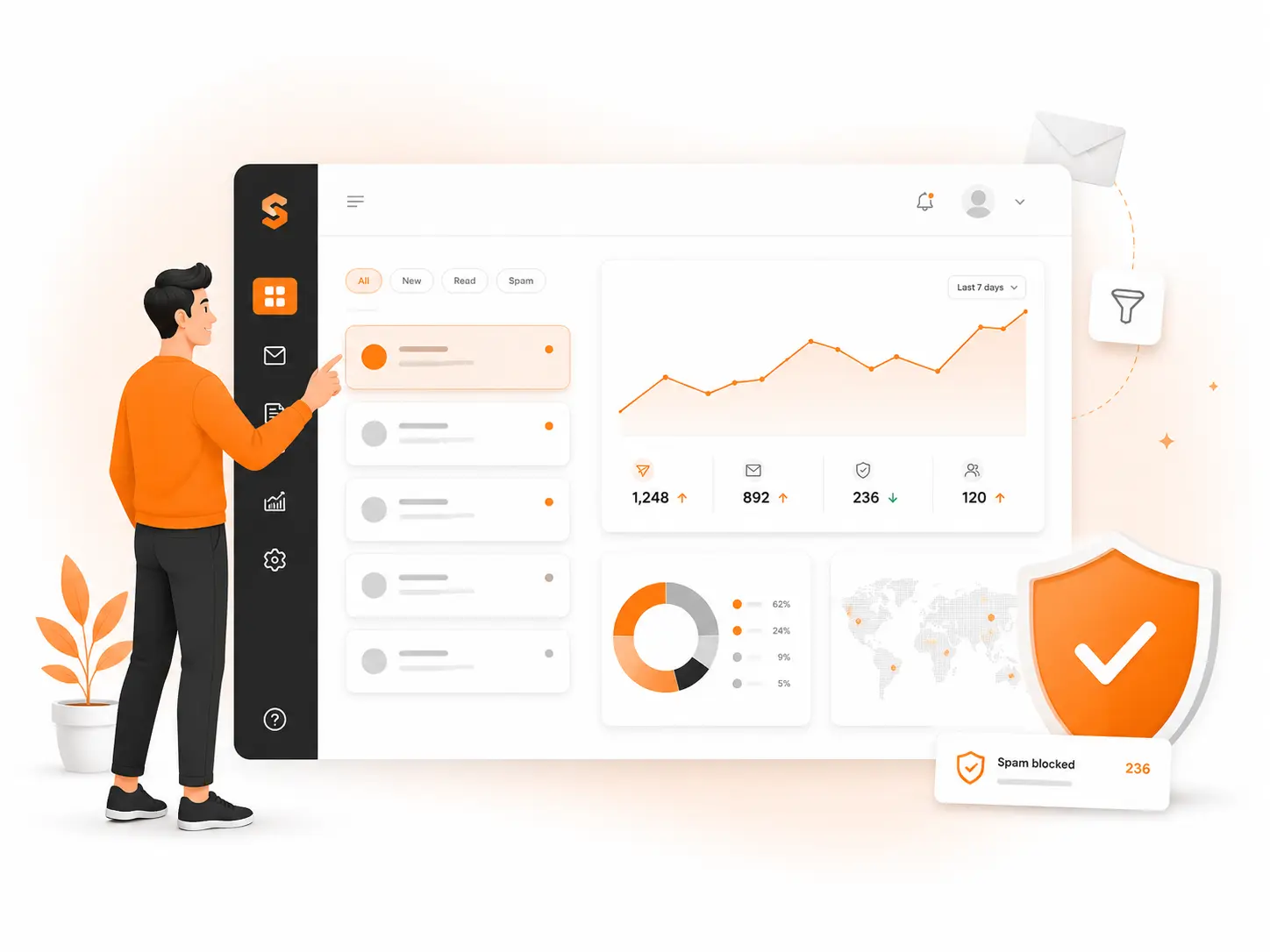
No schema, migrations, or backups — the hosted endpoint stores every entry for you.
Honeypot, time-trap, and rate limits screen bots before anything is stored.
Every submission is searchable, filterable, and exportable on demand.
Quick start
Point the action at the endpoint, add your access key, and every submission is stored for you — no schema, migrations, or backups. The same endpoint works from raw HTML, React, Next.js, or plain JavaScript with fetch().
<form action="https://splitforms.com/api/submit" method="POST">
  <input type="hidden" name="access_key" value="YOUR_KEY">
  <input name="name" required>
  <input name="email" type="email" required>
  <textarea name="message" required></textarea>
  <button>Send</button>
</form>
Setup
No server, no schema, no migrations — the same six steps whether you paste the form into raw HTML, a React or Next.js component, or plain JavaScript with fetch(). Every submission lands in a searchable dashboard and your inbox.
Sign up at splitforms and copy the access_key for your form. The Free plan is 500 submissions total, no credit card required.
Set action="https://splitforms.com/api/submit" and method="POST" on a plain HTML form, or POST JSON/FormData to the same URL with fetch() — either way there is no database or server to run.
It tells splitforms which of your forms the submission belongs to, so every form you build can share one account.
Include a hidden botcheck input (leave it empty) and a form_loaded_at hidden field set to the page-load timestamp — both are checked server-side before anything is stored.
Submit the form and check your dashboard and inbox — email notifications to the form owner are free on every plan, including Free.
The dashboard is searchable and filterable by default. Export to CSV, XML, or PDF on Pro ($5/mo) and above if you need the data outside splitforms.
Instead of a database
Running storage yourself means choosing a database, provisioning and hosting it, designing a schema, writing an API route, handling connections and migrations, building a dashboard, wiring up export, and owning backups and security. splitforms is the hosted endpoint that already includes all of it. If you genuinely want your own database, here's how to connect an HTML form to a database — otherwise, skip it.

Read it back
Storage isn't a one-way trip. Every form exposes a read-only REST endpoint — GET /api/submissions with an Authorization: Bearer <token> header. Grab the token from Dashboard → MCP — the same token that powers the MCP server. Prefer push over polling? Add a webhook on paid plans, or read the full API reference for every parameter.

How SplitForms works
splitforms receives the submission, filters spam, saves it to your dashboard and emails you — then, on paid plans, sends it on to your webhooks and integrations. No backend infrastructure to build.

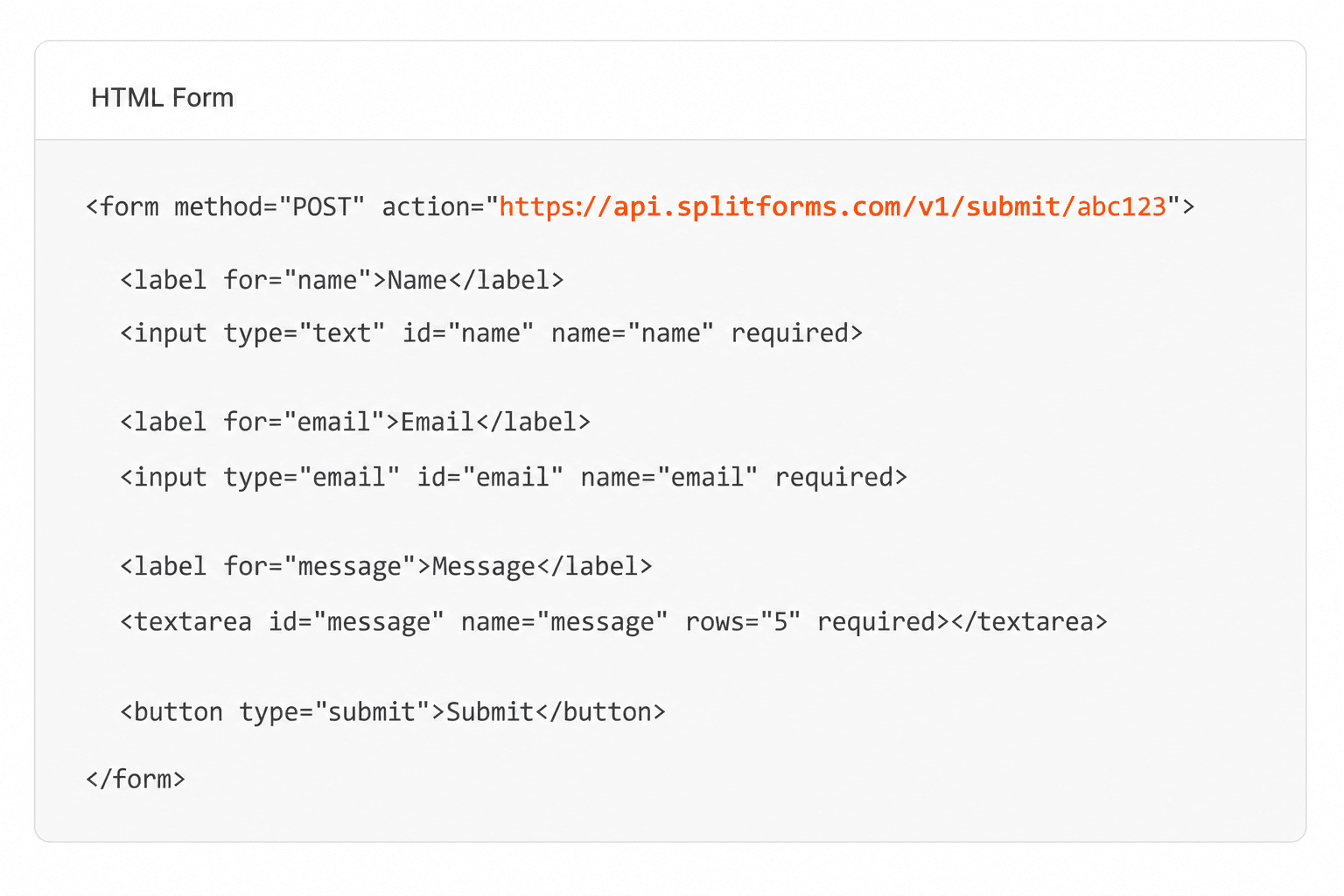
Point your form to your unique SplitForms endpoint. That's it.
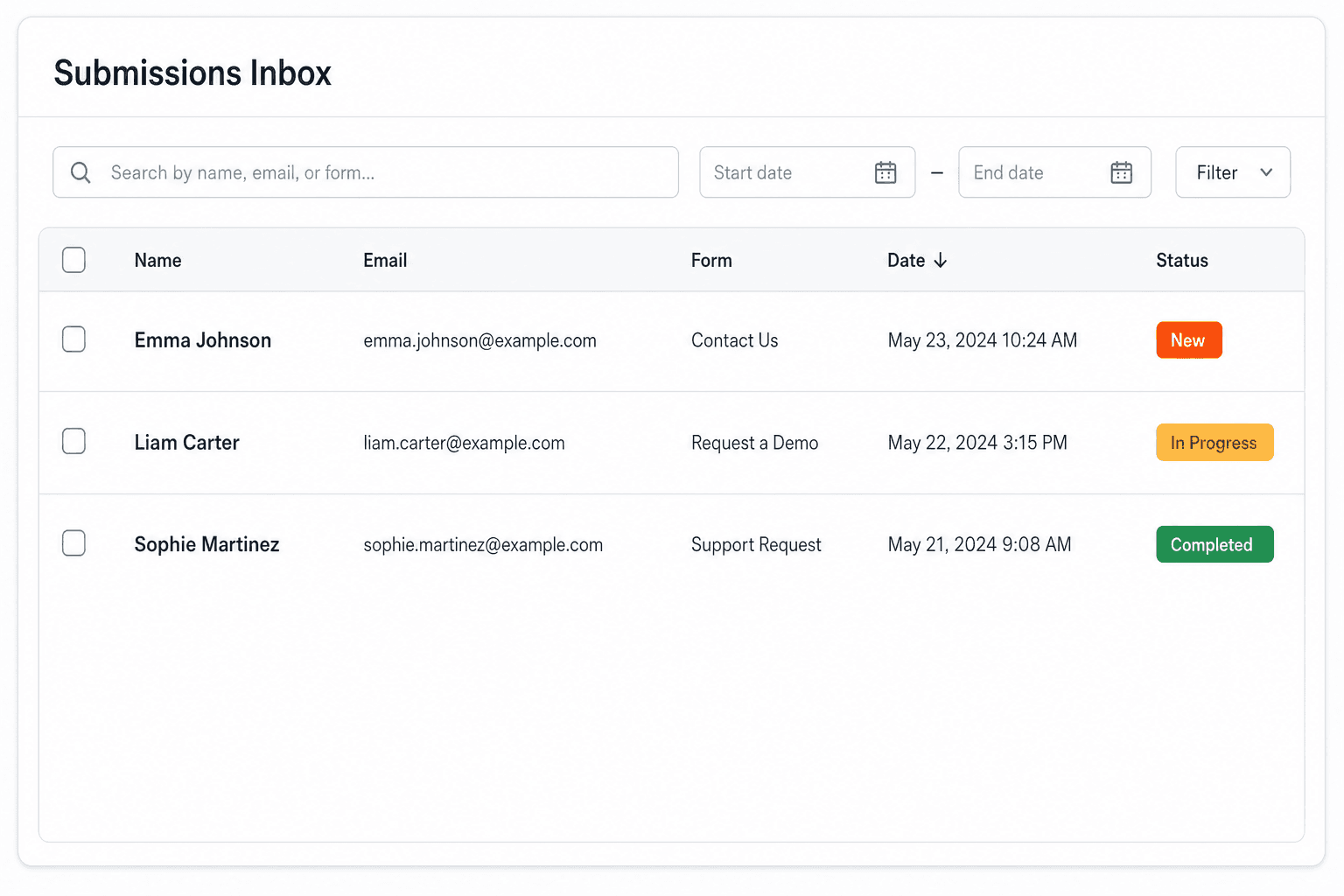
We instantly capture and organize every submission in your inbox.
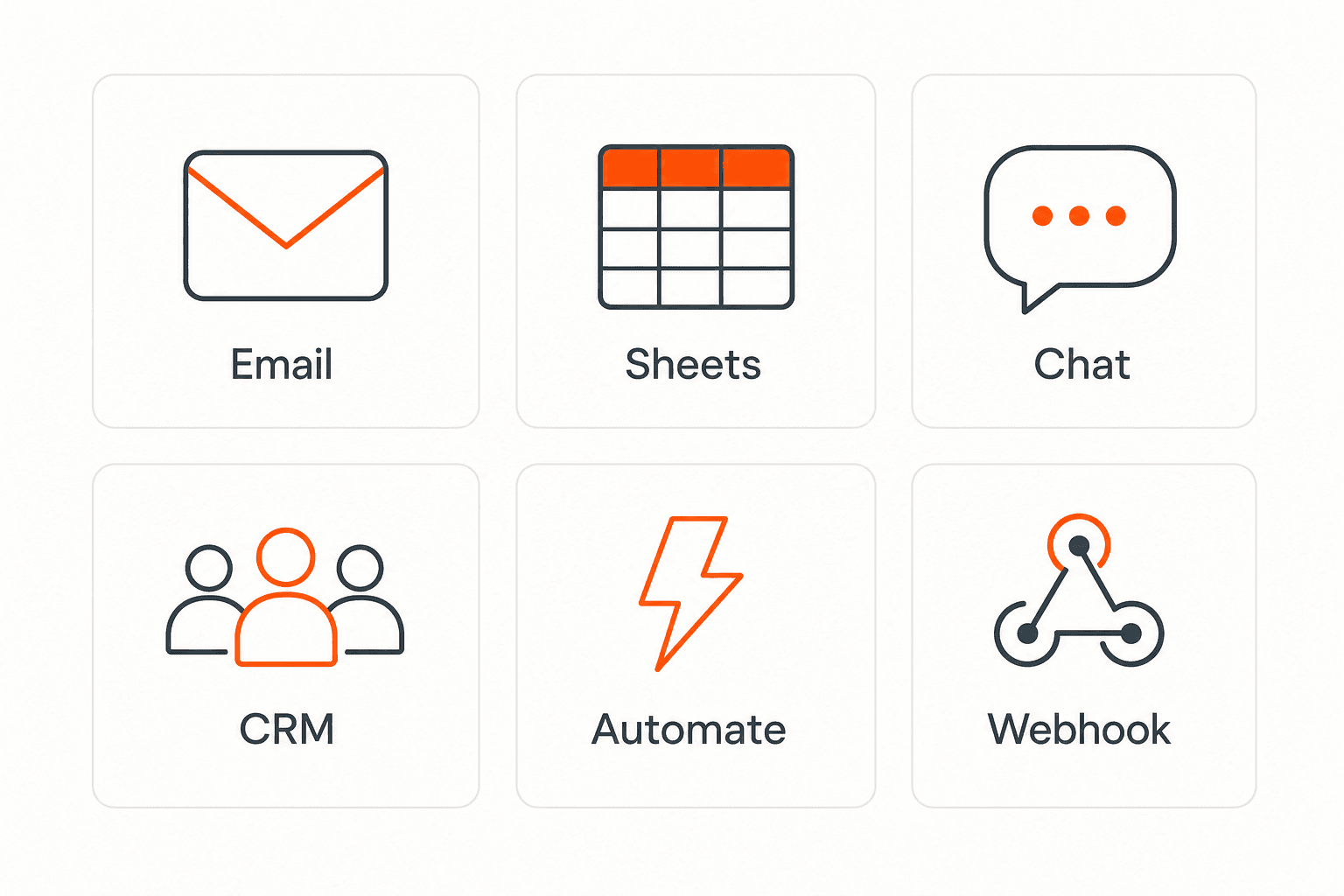
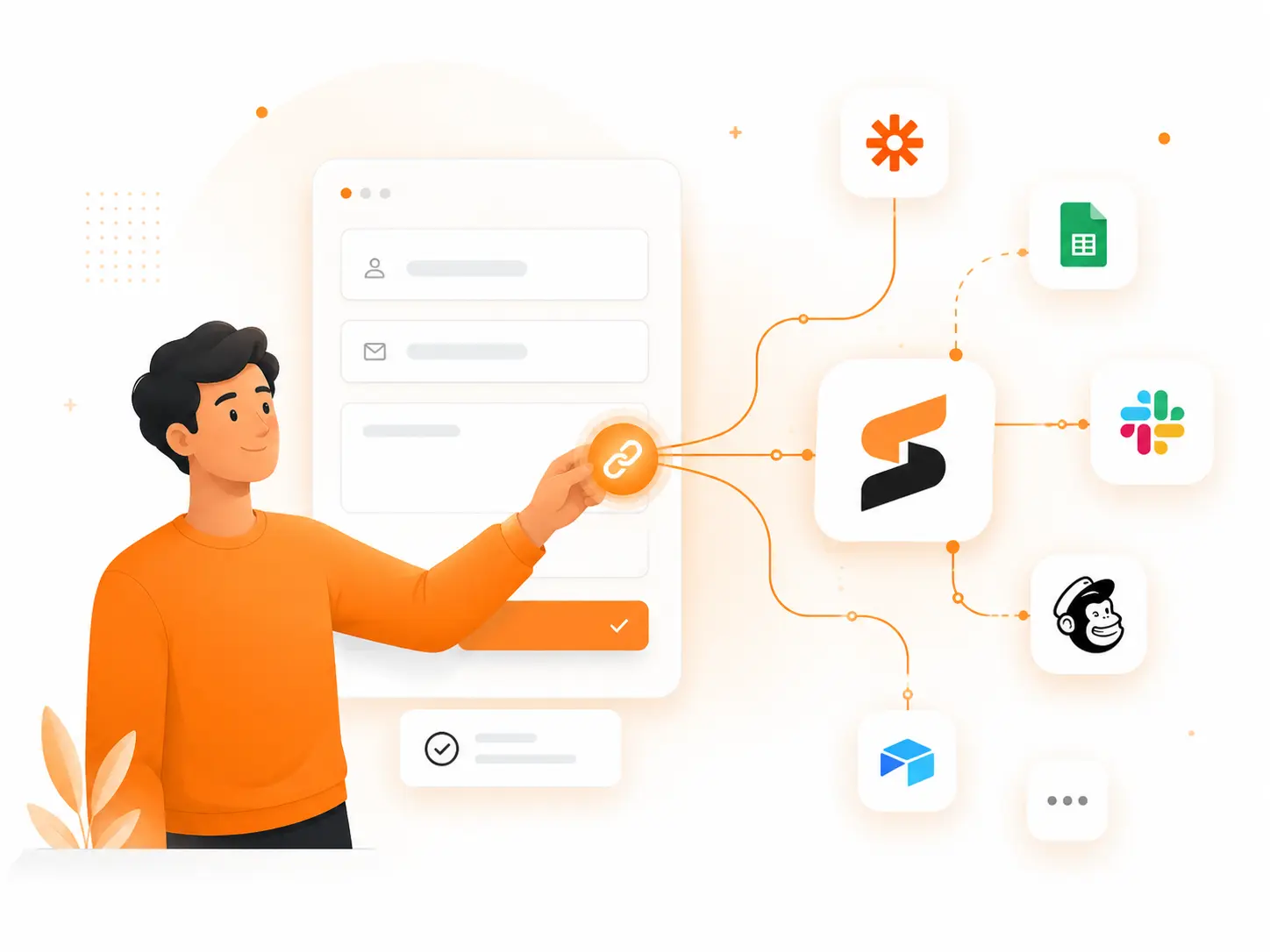
Send data to email, spreadsheets, CRMs, webhooks, and 7,000+ apps.
No credit card required. Set up in under 60 seconds.
Connect & automate
On paid plans, submissions can also go to Slack, Discord, Google Sheets, Notion, Airtable, Zapier or any signed webhook — and splitforms works on the platforms you build on, from WordPress and Shopify to Next.js. With Stripe connected, your forms can take payments too.
 NewTake payments on your formsDeposits, bookings, order forms — submitters check out through Stripe and the money goes straight to your Stripe account. Included on every paid plan.See plans →
Questions
Yes. A hosted form backend like splitforms stores your form submissions in a managed database on your behalf. You get a searchable dashboard with search, filter, and export — without ever provisioning, hosting, or maintaining a database yourself.
With splitforms, submissions are stored in Postgres with row-level security, so no other account can read your rows. splitforms acts as your data processor: staff access is limited to operating and supporting the service, and a DPA is available — see the GDPR page for details.
No. Point your form's action attribute (or a fetch() call) at https://splitforms.com/api/submit with your hidden access_key field and it's live — no server route, no ORM, no schema migration to write.
Yes. On Pro ($5/mo) and above, you can export all submissions as CSV, XML, or PDF. You own your data and can export it at any time.
Submissions are stored indefinitely on all plans, including Free. There is no expiration or time limit on stored data.
Yes. Every submission passes a hidden botcheck honeypot, a form_loaded_at time-trap, and server-side content heuristics, plus per-form allowed-domains and strict origin checks. You can add reCAPTCHA v2 on top if you want an extra layer. Rate limiting caps abuse at 6 submissions/minute/IP and 20 per 15 minutes.
Yes. On paid plans you can add a signed webhook that forwards each new submission (HMAC-SHA256, 8-second timeout, one automatic retry on a network error, timeout, or 5xx) to your own API, which can then write it into whatever database you run — splitforms doesn't have to be the only place the data lives.
A database is infrastructure you provision, design, secure, and back up yourself. A form backend like splitforms is a hosted endpoint that already includes the database, plus spam filtering, a dashboard, email notifications, and export — you just POST to it.
Simple pricing
Free gives you 500 submissions for $0 — no card, no time limit. Pro is $5/month for 5,000 submissions a month, and Annual is $49/year for 15,000 a month with every Pro feature.
For side projects and indie devs.
Every paid feature, for agencies and growing products.
Every Pro feature with triple the volume — $0.27 per 1,000 at full use.
No credit card required on Free • Cancel anytime • Full pricing and FAQ


