splitforms.com

HTML · INPUT ATTRIBUTE

HTML readonly vs disabled: lock a field without losing its value

Last reviewed

readonly stops a visitor from changing a field, but the field can still be focused and copied, and its value is submitted with the form. disabled locks the field completely: it can't be focused, it skips validation and its value is never sent. Use readonly when the backend needs the value, and disabled when it doesn't.

  • Live, editable example
  • Copy-paste snippet
  • Attributes & common mistakes
Live demo · nothing is sent

What gets submitted

Fill in the form above and press its button. The demo stops the request and lists every name=value pair the browser would send, plus the controls it leaves out.

With a free access key in the form, these fields land in your splitforms dashboard; access_key and botcheck are read by splitforms, not stored as lead data.

Edit the HTML and re-run it
Runs in a sandbox. Nothing is sent.

Minimal snippet

readonly-example.html
<input name="plan" value="Pro" readonly>

Copy-paste code

HTML readonly & disabled code you can paste today.

Replace YOUR_ACCESS_KEY with a key from your free splitforms dashboard. The form posts to one endpoint — submissions land in your inbox and dashboard with spam filtering built in.

Get free access key
readonly.html
<form action="https://splitforms.com/api/submit" method="POST">
  <input type="hidden" name="access_key" value="YOUR_ACCESS_KEY">

  <label for="order_id">Order ID</label>
  <input type="text" id="order_id" name="order_id" value="A-1042" readonly>

  <!-- disabled: shown, but never submitted -->
  <label for="internal_note">Internal note</label>
  <input type="text" id="internal_note" name="internal_note" value="not sent" disabled>

  <label for="email">Email</label>
  <input type="email" id="email" name="email" autocomplete="email" required>

  <label for="message">Message</label>
  <textarea id="message" name="message" rows="5" required></textarea>

  <!-- Honeypot: hidden from people, bots fill it in -->
  <input type="checkbox" name="botcheck" style="display:none">

  <button type="submit">Send</button>
</form>

readonly vs disabled

What is the difference between readonly and disabled?

A readonly field is submitted and can be focused. A disabled field is skipped on submit and can't be focused. Both skip validation.

What is the difference between readonly and disabled?
Behaviourreadonlydisabled
Submitted with the formYesNo
Can be focused and selected or copiedYesNo
In the tab orderYesNo
Validation like requiredSkippedSkipped
Works onText-like, number and date inputs and <textarea>. NOT <select>, checkbox, radio or file.Every form control, plus <fieldset>
CSS pseudo-class:read-only:disabled

Sources: WHATWG HTML Standard: constructing the entry list · MDN: HTML attribute readonly · MDN: HTML attribute disabled

Attributes · readonly

Which attributes go with readonly?

readonly and disabled lock a field in different ways. required and tabindex behave differently on each.

HTML readonly & disabled attributes and what each one does
AttributeWhat it does
readonlyThe value can't be edited, but the field can be focused and is still submitted.
disabledThe field can't be edited or focused, and its value is not submitted.
requiredMakes a field mandatory. It is skipped on readonly and disabled fields.
tabindexSets the tab order. A readonly field stays in it; a disabled field is always left out.

Common mistakes

readonly and disabled mistakes to avoid

Most locked-field bugs come from a value that wasn't sent or a control that ignores readonly.

  1. readonly does nothing on select, checkbox and radio

    Those controls ignore readonly. To lock one, make it disabled and add an <input type="hidden"> with the same name that carries the value.

  2. disabled values are never sent

    A disabled field is left out of the submission completely, even if it has a name and a value. Use readonly if the backend needs it.

  3. readonly is not security

    Anyone can edit the HTML or POST a changed value directly. Re-check locked values like prices or IDs on the server.

  4. A disabled fieldset disables every field inside it

    <fieldset disabled> disables all its controls, so none of them are submitted. Only controls inside its first <legend> stay enabled.

Sources: MDN: HTML attribute readonly · MDN: HTML attribute disabled
Copy-paste ready

The HTML readonly & disabled example below is a complete, working form — paste it into any HTML page and it submits, no edits to the markup required.

No backend to build

Your html readonly & disabled form posts to one endpoint. No server, PHP, or API route — accepted submissions are saved to your dashboard before owner notification email is attempted; delivery time and inbox placement depend on provider and recipient settings.

A form that really submits

Unlike a static reference snippet, this readonly form actually sends data to a free splitforms backend, with spam filtering built in.

How it works

How to add HTML readonly & disabled to any page.

Copy the html readonly & disabled example, drop in your free access key, and paste it into any page — submissions start landing in your dashboard.

Copy the code

Copy the HTML readonly & disabled example below.

Add your access key

Replace YOUR_ACCESS_KEY with a free splitforms key from the dashboard.

Paste into your site

Drop the form into any HTML page. Submissions arrive in your dashboard.

How SplitForms works

What happens after someone submits your form?

splitforms receives the submission, filters spam, saves it to your dashboard and emails you — then, on paid plans, sends it on to your webhooks and integrations. No backend infrastructure to build.

A SplitForms contact form submission launching straight to your inbox

Add your endpoint

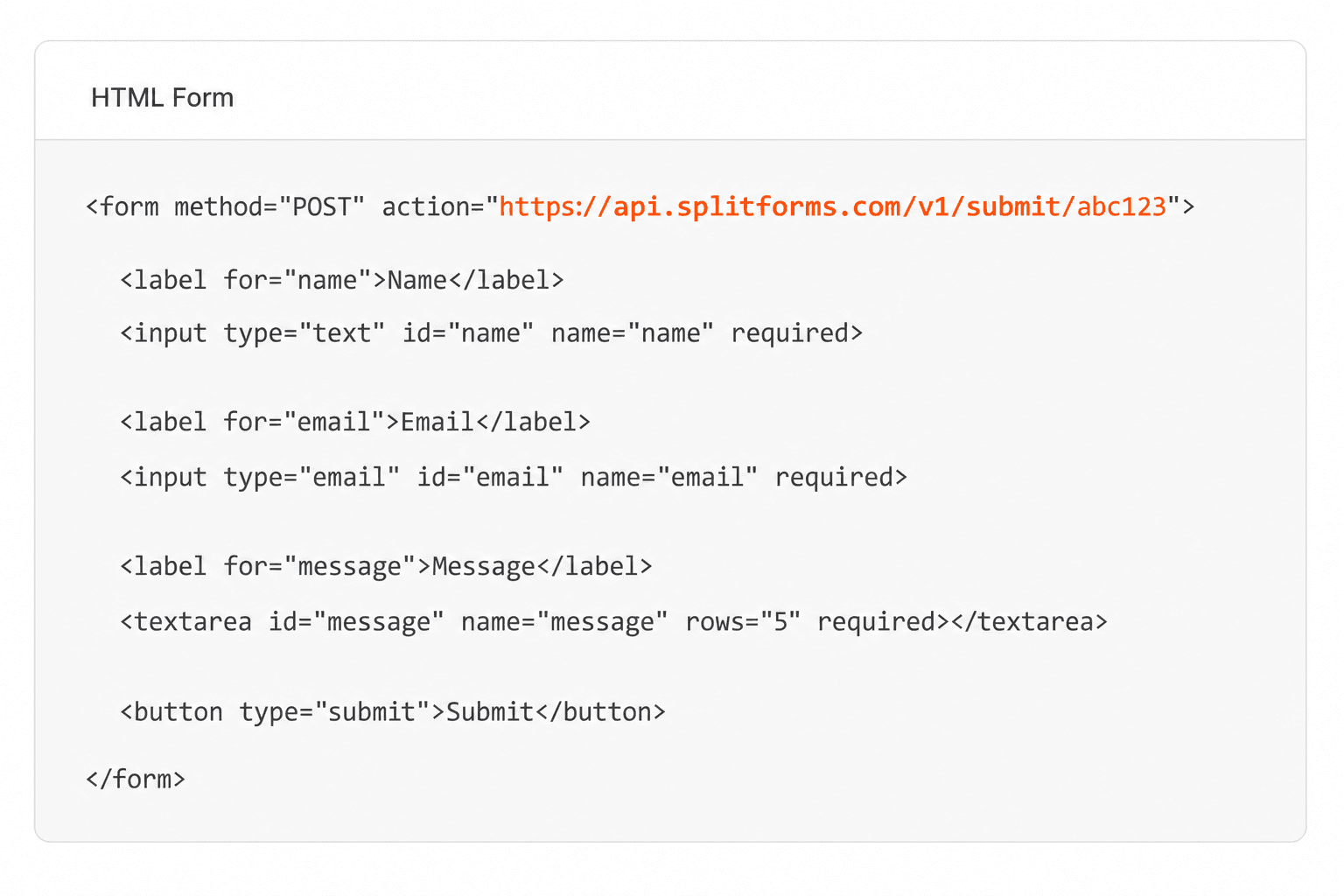
Point your form to your unique SplitForms endpoint. That's it.

HTML form pointing at a SplitForms submit endpoint

Receive submissions

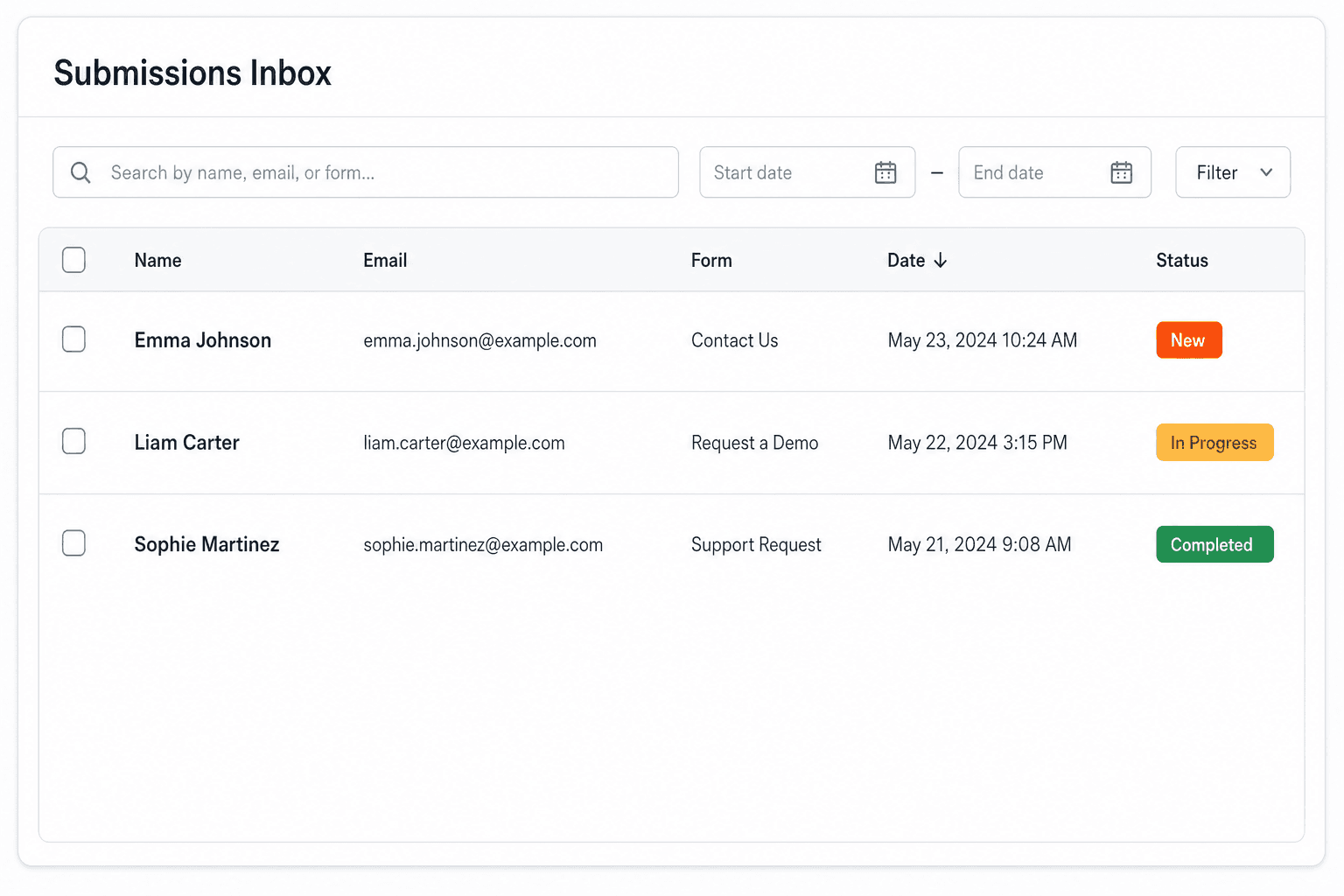
We instantly capture and organize every submission in your inbox.

Submissions inbox with searchable leads and status pills

Route anywhere

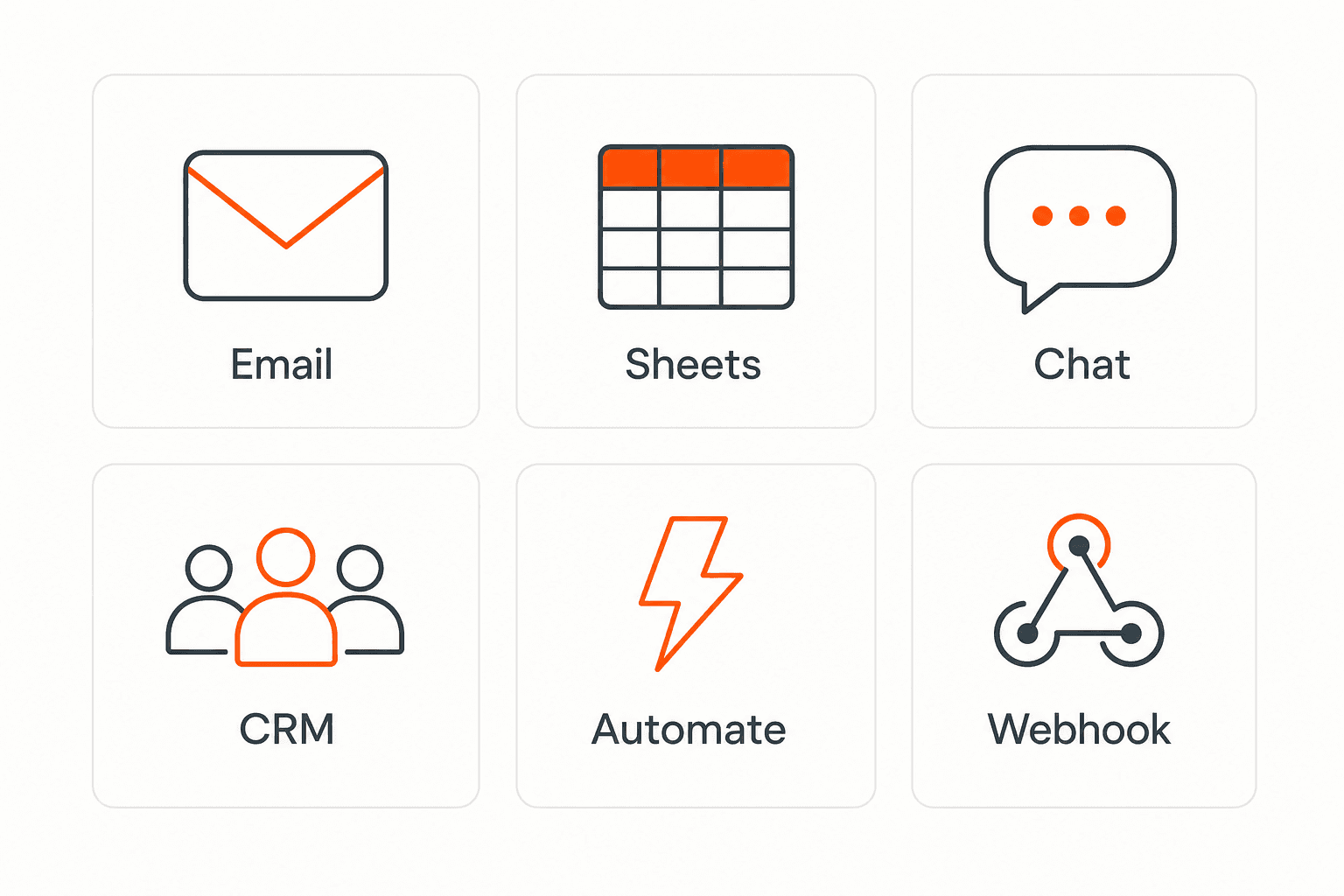
Send data to email, spreadsheets, CRMs, webhooks, and 7,000+ apps.

Generic integration tiles for email, sheets, chat, CRM, automate, and webhook

No credit card required. Set up in under 60 seconds.

Connect & automate

Where can submissions go besides email?

On paid plans, submissions can also go to Slack, Discord, Google Sheets, Notion, Airtable, Zapier or any signed webhook — and splitforms works on the platforms you build on, from WordPress and Shopify to Next.js. With Stripe connected, your forms can take payments too.

Connect your SplitForms form to Slack, Google Sheets, Mailchimp, Zapier and more
NewTake payments on your formsDeposits, bookings, order forms — submitters check out through Stripe and the money goes straight to your Stripe account. Included on every paid plan.See payment forms →Need time slots? Online booking →

Setup guides for the stacks you use

Questions

HTML readonly & disabled questions, answered.

View all FAQs
What is the difference between readonly and disabled?

Both stop a visitor from changing a field. A readonly field can still be focused and copied, and its value is submitted. A disabled field can't be focused, is left out of the tab order and its value is not submitted.

Why is my disabled input not submitted?

Disabled controls are never included in a form submission. Use readonly instead, or add a hidden input with the same name and value if the control has to stay disabled.

How do I make a select readonly?

A <select> ignores readonly. Set disabled on the select so it can't be changed, and add <input type="hidden"> with the same name and the chosen value so the value is still sent.

Does readonly skip required validation?

Yes. A readonly field is barred from constraint validation, so required, pattern and similar checks are not applied to it. Validate the value on the server instead.

How do I style readonly fields?

Use the :read-only pseudo-class or the input[readonly] selector, for example to give them a grey background so visitors can see they can't be edited. Disabled fields match :disabled.

Simple pricing

How much does splitforms cost?

Free gives you 500 submissions for $0 — no card, no time limit. Pro is $5/month for 5,000 submissions a month, and Annual is $49/year for 15,000 a month with every Pro feature.

Free

$0— 500 submissions
 

No card, no time limit

Best for testing

For side projects and indie devs.

  • 500 free submissions
  • Unlimited forms
  • Email notifications included
  • Smart spam filtering
  • Submissions dashboard
  • Redirect after submit
  • MCP server included

Annual

$49/ year
About $4.08 per month, billed yearly
Best value

Every Pro feature with triple the volume — $0.27 per 1,000 at full use.

  • 15,000 submissions per month
  • Unlimited forms
  • Everything in Pro
  • File uploads with 5 GB storage
  • 3 team seats
  • Priority email support

No credit card required on Free • Cancel anytime • Full pricing and FAQ